

Property Maintenance in Ayr: Planned Contracts for Landlords
If you let out a flat in Ayr or a few houses across Ayrshire, maintenance probably arrives the same way every time: a tenant phones, something has broken, and you start ringing round for a tradesperson who can get there this week. Reactive repairs like that are expensive, stressful and hard to budget for. A planned approach to property maintenance in Ayr turns it around, so most problems are found and fixed on your schedule rather than your tenant's.
This guide is for private landlords and small portfolio owners. It explains what a planned maintenance contract covers, how it helps you keep on top of your duties under the Repairing Standard, and what to look for in a maintenance partner. It also explains how our property and commercial maintenance service works for landlords.
Why reactive repairs cost landlords more
Most of the defects that turn into big bills start small. A blocked gutter overflows down a wall all winter, and by spring there is damp inside. A cracked seal round a shower lets water into the floor below. A slipped slate lets rain into the loft for months before a ceiling stain gives it away. Caught early, each of these is a short visit. Left alone, each one becomes a bigger repair, often with redecoration on top.
Reactive repairs also tend to come at the worst time. Emergency call-outs in the middle of a cold snap cost more, and a tenant living with a problem while you find someone to fix it is not a happy tenant. Ayrshire's coastal weather, with salt in the wind and long wet spells, is hard on roofs, gutters, render and window seals, so the gap between "small issue" and "real damage" can be short.
Your duties under the Repairing Standard
Most private landlords in Scotland must make sure the homes they let meet the Repairing Standard, set out in the Housing (Scotland) Act 2006. The duty applies at the start of a tenancy and all the way through it. In broad terms, the property must be wind and watertight and reasonably fit to live in, with the structure, exterior, installations for water, gas, electricity, heating and sanitation, fixtures, fittings and appliances all kept in a reasonable state of repair and proper working order. The Scottish Government's Repairing Standard statutory guidance for private landlords sets out the detail, including the changes that apply from 1 March 2024, such as safe kitchen facilities and safe access to common parts.
If a tenant thinks the standard is not being met, they can apply to the First-tier Tribunal for Scotland (Housing and Property Chamber), which can order the work to be done. A planned maintenance routine is one of the simplest ways to show you are keeping the property in good order, because it leaves a record of inspections and repairs.
Alongside the building itself, landlords also have regular safety checks to keep up with, including an annual gas safety check by a Gas Safe registered engineer where there is gas, an Electrical Installation Condition Report at least every five years, interlinked smoke and heat alarms, a carbon monoxide alarm where there is a gas or solid fuel appliance, and a legionella risk assessment. These need the right qualified specialists, but keeping their due dates in the same schedule as your building maintenance means nothing slips.

What a planned maintenance contract covers
A good plan is built around your properties, not a one-size checklist. For most landlords it includes:
- Routine inspections. Regular visits to check the condition of each property inside and out, with a clear record of what was found.
- Exterior upkeep. Roofs, gutters, downpipes, windows and facades checked and kept in order, so the building stays weathertight.
- Repairs and upkeep. General repairs found on inspection or reported by tenants, including plumbing, electrical and structural work.
- Seasonal work. Gutter clearing and roof checks before winter, and outside spaces, paths and landscaping kept tidy and safe through the year.
- Emergency response. A known contact for urgent problems such as leaks or storm damage, so you are not starting from scratch when something goes wrong.
- Turnaround between tenancies. Repairs and joinery fixes between lets, so the property is ready for the next tenant quickly.
We agree the scope and frequency with you, based on the age, size and condition of each property and how hands-on you want to be. Our maintenance plans are tailored to the property's needs and your budget, rather than a fixed package.
A simple maintenance calendar for Ayrshire lets
Every property is different, but a year of planned maintenance for a typical Ayrshire rental might look like this:
| When | What to check |
|---|---|
| Autumn | Clear gutters and downpipes, check roof, flashings and chimney, test heating ahead of winter |
| Winter | Check for damp, condensation and leaks, make sure pipes in lofts and outbuildings are protected, inspect after storms |
| Spring | Walk round the exterior for winter damage, check render, pointing, windows and seals, tidy paths and outside areas |
| Summer | Plan bigger jobs while the weather is kind, such as external decoration, roof repairs or path and boundary work |
| Every change of tenant | Full condition check, repairs and a record of the property's condition |
Our guides to winter-proofing commercial property and storm damage repairs go into more detail on the winter months, and much of the advice applies just as well to rented homes.
Property maintenance in Ayr: choosing the right partner
The value of a maintenance contract depends on who is doing the work. When you compare options, ask:
- Can they handle the building, not just small jobs? A contractor with construction and joinery skills can fix the cause of a problem, not just patch it.
- Who is your point of contact? One named person who knows your properties saves time on every call.
- Do you get records? Written reports and photos help you plan spending and show the property has been kept in good repair.
- Are they local? A local team can get to a property quickly and knows how Ayrshire weather treats buildings.
- Are they insured? Check any contractor is fully insured and works safely.
We are based in Ayr and work across the area. Our builder in Ayr page covers the local work we do, and our projects show the standard we build and renovate to. You can read more about how we work on our company page.

Frequently asked questions
Is a maintenance contract only worth it for large portfolios?
No. Even with one or two properties, regular inspections catch problems early and give you a record of the property's condition. The plan is simply scaled to fit what you own.
How often should a rental property be inspected?
It depends on the age, construction and condition of the building. Older stone properties and homes exposed to coastal weather usually need closer attention than newer ones. We agree a frequency with you when we set up the plan.
Can you help with commercial property too?
Yes. Our maintenance service covers both residential and commercial property, from single flats to shops and offices.
Talk to us about a maintenance plan for your properties
If you let property in Ayr or elsewhere in Ayrshire and want fewer surprises, get in touch. We will look at your properties, talk through what you need and put together a maintenance plan that fits your budget. Call us on 07790 666673, email info@rhaconstruction.uk or send us a message.


Commercial Refurbishment in Ayr: Keeping Your Business Open During Works
For most businesses, the hardest part of a refurbishment is not choosing the finishes. It is working out how to keep trading while the builders are in. A shop that closes for six weeks loses customers to the competition, an office that cannot find desk space loses productivity, and a bar or café that misses the run-up to Christmas can lose a large share of its year. Good commercial refurbishment in Ayr starts with that problem, not with the drawings. This guide sets out how to plan a fit-out or refurbishment so your business stays open, your staff and customers stay safe, and the work still finishes on time.
At RHA Construction we handle residential and commercial construction from planning through to handover, alongside our joinery and commercial fit-out work and our property and commercial maintenance service.
Start with how your business actually runs
Before anyone talks about layouts or materials, we need to understand your working week. The questions that shape the whole programme are simple ones:
- When are you busiest? Days, hours and seasons. A hospitality business and an accountancy office have very different quiet periods.
- What has to keep working? Tills, kitchens, server cupboards, toilets, stock rooms and the main entrance usually top the list.
- Who is in the building? Staff, customers, visitors, other tenants, and anyone with access needs.
- What are your fixed dates? Lease events, a reopening, a product launch or the Christmas trading period.
With those answers, the project can be built around your business rather than the other way round. Sometimes that means splitting the work into phases. Sometimes it means a short, intensive closure is cheaper overall than months of disruption. Either way, it is a decision you should make with the full picture in front of you.
Phasing a commercial refurbishment so you can keep trading
Phasing means dividing the building into zones and refurbishing them one at a time while the rest stays in use. It takes more planning, but it is the most common way to keep a business open. A typical approach looks like this:
- Enabling works first. Services that the whole building depends on, such as new electrical distribution or drainage connections, are planned so that any shutdowns happen out of hours.
- Back-of-house before front-of-house. Stores, staff areas and offices are often done first, so the customer-facing space is only disrupted for the shortest time.
- Sealed work zones. Each active zone is closed off with dust screens and its own access, so customers never walk through a site.
- Noisy and dusty work out of hours. Strip-out, cutting and drilling can be scheduled for early mornings, evenings or closed days, by agreement with you and any neighbours.
- A clean handover for each zone. Each area is finished, cleaned and checked before your team moves back in and the next zone begins.
Safety, compliance and the paperwork that comes first
Refurbishing a building that people are still using brings extra responsibilities, and several of them fall on the business, not just the contractor. It pays to get them sorted before the programme is fixed.
- Building warrant. In Scotland, many alterations to commercial premises, including structural changes, new layouts that affect escape routes, and changes to drainage or ventilation, need a building warrant before work starts. Our plain-English guide to building warrants in South Ayrshire explains how the process works.
- Your duties as a commercial client. Under the Construction (Design and Management) Regulations 2015, a business having building work done has its own client duties, and larger projects must be notified to the Health and Safety Executive. HSE sets these out in its guidance for commercial clients.
- Asbestos. Older buildings can contain asbestos, and a refurbishment and demolition survey of the affected areas is needed before work that could disturb the fabric. HSE explains the types of survey in its page on arranging an asbestos survey.
- Fire safety. Under the Fire (Scotland) Act 2005, your fire safety risk assessment should be reviewed before significant changes. During works, escape routes, fire doors and alarms must stay working in the areas you are still using.
None of this needs to delay a project if it is planned early. Leaving it until the week before work starts is what causes hold-ups.
Keeping customers, staff and neighbours on side
A refurbishment is visible, and how it is managed says a lot about your business. Small things make a big difference:
- Clear, tidy hoardings or screens with signs to your entrance and a short note on what is changing.
- Deliveries and skip collections booked outside your busy hours, with materials kept off pavements and car parks.
- A weekly look-ahead for your staff, so nobody is surprised by noise, a closed corridor or a power shutdown.
- Early contact with neighbouring businesses and landlords, particularly in shared buildings and town-centre terraces.
This is where having one point of contact matters. Every RHA client has a dedicated project manager, so you have one person who knows the programme, answers your questions and keeps the trades coordinated.
Design and fit-out: getting the finish right
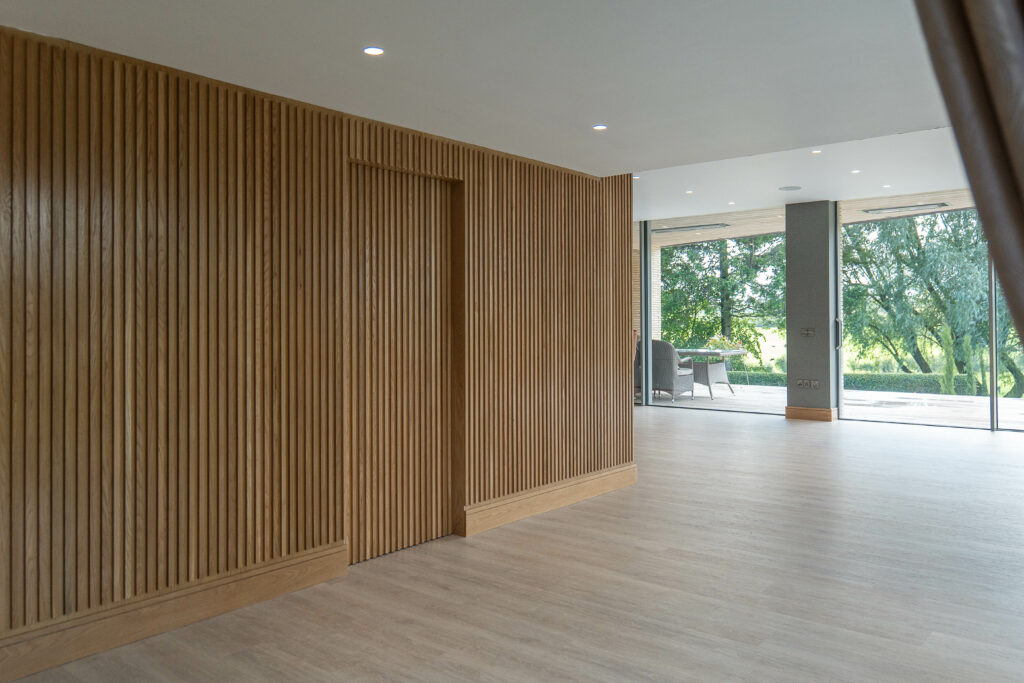
Commercial interiors work hard. Counters, seating, shelving and wall finishes take far more wear than anything in a home, so choices need to balance looks against durability and ease of cleaning. Bespoke joinery is often the best answer: a counter, bar or display unit built to fit the space exactly, in materials chosen to last. Our interior design service can help with space planning, lighting and finishes so the result reflects your brand.

Refurbishment is also a good time to deal with the building itself. If roofs, gutters or windows are tired, it is far cheaper to fix them while the scaffold and trades are already on site. Our winter-proofing checklist for commercial property is a useful place to start.
Frequently asked questions
Can my business stay fully open during a refurbishment?
Often, yes, with phased work and out-of-hours scheduling. Some tasks, such as replacing a shopfront or the main electrical supply, may need a short closure, and we will tell you at the planning stage so you can plan around it.
Do you work outside normal hours?
Where the project needs it, noisy or disruptive tasks can be planned for evenings, early mornings or days you are closed. We agree this with you before the programme is fixed.
Which areas do you cover?
We are based in Ayr and work across Ayrshire, including Prestwick, Alloway, Troon and Monkton. See our builder in Ayr page for more on the work we do locally.
Plan your commercial refurbishment in Ayr
Whether you are refreshing a shop, fitting out an office or reworking a bar or restaurant, the earlier we are involved, the easier it is to keep your doors open while the work goes on. Tell us about your premises and how your business runs, and we will talk you through a programme that fits. Call us on 07790 666673, email info@rhaconstruction.uk or send us a message.
Storm Damage Repairs: Getting Your Ayrshire Property Watertight Again
When a storm comes through Ayrshire, the damage is not always obvious from the street. A few slipped slates, a gutter hanging off its brackets or a fence panel in next door's garden are easy to spot. Water working its way into a wall, a cracked flashing around a chimney or a soaked loft insulation layer are not. Good storm damage repairs in Ayrshire are about two things: getting the property safe and watertight quickly, then putting it right properly so the next gale does not find the same weak spot.
This guide is for homeowners and landlords dealing with the aftermath of a storm. It covers what to do first, how to record the damage, temporary repairs, and how our property and commercial maintenance team can help you get back to normal.
First steps after a storm: safety before repairs
The Met Office's advice on staying safe in a storm is clear: don't go out to make repairs while the storm is still blowing, keep away from fallen power or phone lines, and don't walk close to walls, buildings or trees that may have been weakened. Once the wind has dropped:
- Look from the ground. Walk round the outside and check the roof, chimney, gutters and walls from a safe distance. Do not climb onto a roof or up a ladder in wet or windy conditions.
- Check inside, top down. Start in the loft if it is safe to get into, looking for daylight through the roof, wet timbers or damp insulation, then check ceilings and walls on each floor for fresh stains.
- Deal with water and electrics. If water is coming through near light fittings or sockets, switch off the power to that circuit at the consumer unit if you can do so safely. For a power cut, call 105, the free national power cut line.
- Think about neighbours and tenants. Make sure anyone vulnerable is safe. If you are a tenant, report the damage to your landlord or letting agent straight away.
Record the damage before anything is fixed
Whatever is wrong, it is worth taking a few minutes to record it before any work starts. Insurers generally ask for this, and it helps your contractor too:
- Take photos and video of every area of damage, inside and out.
- Note the date and time you found it, and keep a record of anything you have done to stop it getting worse.
- Check your policy and contact your insurer as early as you can. Many have a claims or emergency helpline.
- Keep damaged items and materials until your insurer says you can dispose of them.
- Keep every receipt and invoice, including for temporary repairs.
Each policy is different, so check with your insurer what they need from you and whether they want to approve a quote before permanent repairs begin.
Temporary repairs: stopping the water getting in
After a storm, the priority is to make the building weathertight so the damage does not spread. A good temporary repair is quick, safe and reversible. Typical emergency work includes:
- Securing loose or missing slates and ridge tiles, or covering the area until a full repair can be made.
- Boarding up broken windows and doors so the property is secure.
- Re-fixing or temporarily supporting gutters and downpipes so rainwater is carried away from the walls.
- Making safe a damaged chimney, wall or fence that could fall.
- Protecting the interior: lifting wet carpets, moving furniture and helping wet ceilings and walls dry out.

Temporary repairs buy you time; they are not the fix. A tarpaulin or patched flashing left through a whole winter tends to fail at the worst moment, and water that gets into the structure in the meantime makes the final bill bigger. We offer emergency call-outs as part of our maintenance service, and we will tell you plainly what has been done as a stop-gap and what still needs a permanent repair.
Storm damage repairs in Ayrshire: putting it right properly
Once the building is safe and dry, the real work starts. Ayrshire's coastal weather, with salt-laden wind and long wet spells, is hard on any patch that is not done well, so permanent repairs should match or improve on what was there before. Depending on the damage, that can mean:
- Roofs. Replacing slates and tiles to match, re-bedding or re-fixing ridges, and renewing lead flashings and valleys. Where a roof has reached the end of its life, re-roofing can make more sense than repeated patching. Our Scottish renovation project included a full re-roof alongside two extensions.
- Chimneys. Repointing, rebuilding or, where a stack is no longer needed, taking it down safely. Our period home renovation in Alloway involved removing a large chimney stack.
- Walls, render and roughcast. Repairing cracked or blown render, repointing stonework and finding where water has got into the wall.
- Windows, doors and fascias. Replacing broken glazing, damaged frames and fascias and soffits that have been lifted by the wind.
- Garden walls, fences and paving. Rebuilding collapsed walls and replacing damaged paths or steps. Our hard landscaping team can rebuild with materials that suit the exposure.
Some repairs are more than like-for-like. If storm damage leads to structural work, a rebuilt chimney or changes to the building, a building warrant from the council may be needed, and listed buildings and conservation areas have their own rules. We will tell you if that applies and handle the paperwork as part of the job.
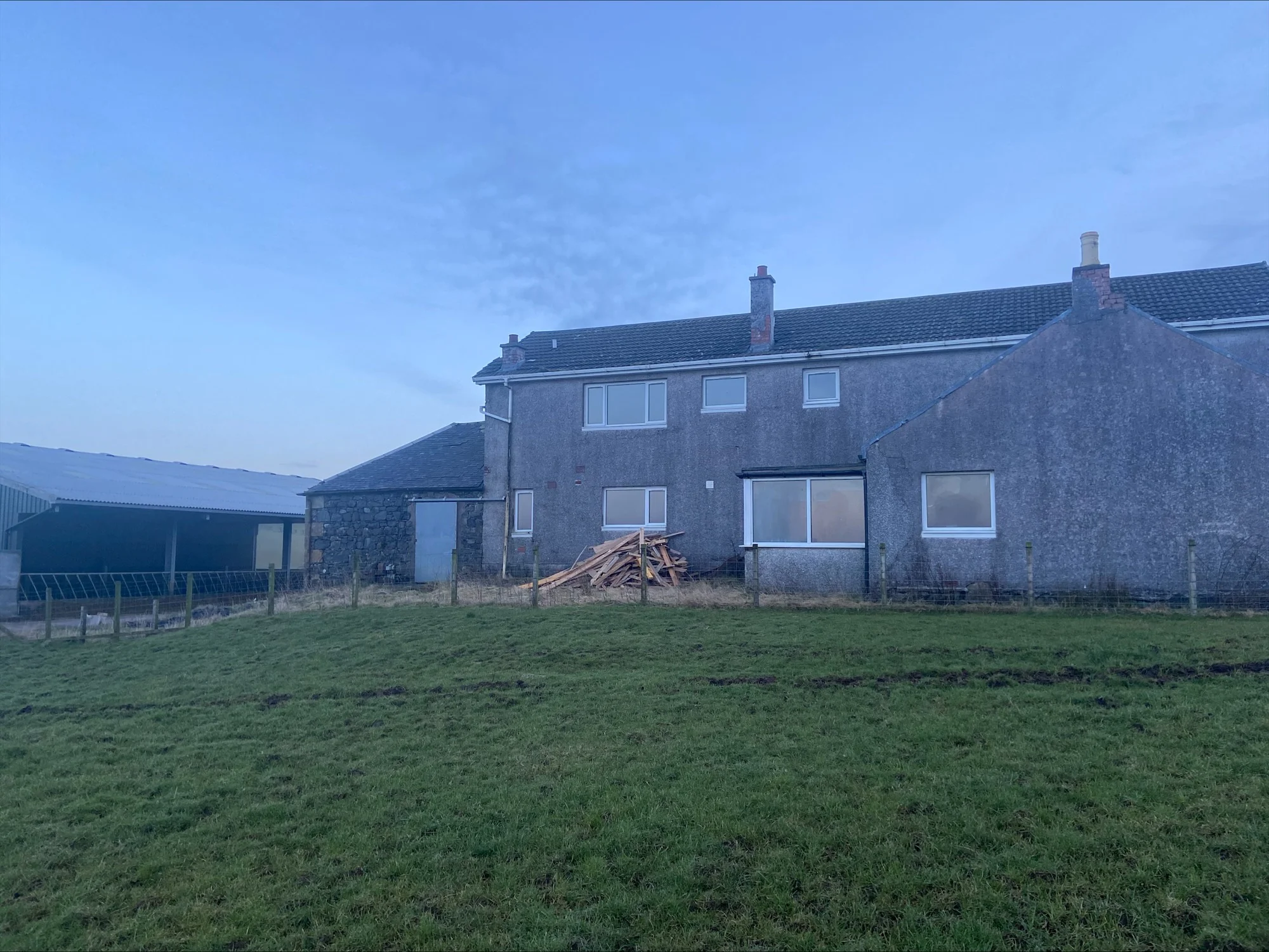
Older and rural properties often need more care. At Laigh Balsarroch Farm, a run-down farmhouse became a five-bedroom home with insulated walls, new windows and a mix of timber cladding and roughcast that is built to stand up to exposed Ayrshire weather.
Landlords and commercial property: keeping tenants safe and dry
For landlords and property managers, storm damage brings the added pressure of tenants who need a safe, dry home or business premises as quickly as possible. A single contractor who can make safe, repair and then maintain the building saves a lot of chasing. Our maintenance service covers inspections, repairs to roofs, gutters, windows and facades, landscaping upkeep, emergency call-outs and planned maintenance plans for residential and commercial property. If the repair turns into a bigger refurbishment, our construction team can take it on from planning to handover.
Prevention is always cheaper than repair. Our winter-proofing checklist for commercial property sets out what to inspect before the weather turns, and if an older building has taken one storm too many, our guide on whether to renovate or rebuild explains the questions to ask.
Frequently asked questions
Should I wait for my insurer before calling a builder?
Contact your insurer first if you can, but you should not leave a property open to the weather while you wait. Most insurers expect you to take reasonable steps to stop further damage. Record everything, keep receipts for any emergency work and get their approval before permanent repairs if your policy asks for it.
Can you give me a written quote for my insurance claim?
Yes. After inspecting the damage we can provide a written quote for the repairs, which you can pass to your insurer or loss adjuster.
Which areas do you cover?
We are based in Ayr and work across Ayrshire, including Prestwick, Alloway, Troon and Monkton. See our builder in Ayr page for more on the work we do locally.
Storm damage to your property? Talk to us
If a storm has damaged your home, rental property or commercial building in Ayrshire, get in touch and we will arrange to inspect it, make it safe and quote for a lasting repair. Call us on 07790 666673, email info@rhaconstruction.uk or send us a message.

Winter-Proofing Commercial Property in Ayrshire: A Checklist
The clocks have gone back, the first frosts are on the way and the storms that roll in off the Firth of Clyde are only going to get more frequent. For landlords, business owners and facilities managers, this is the last good window to get a building ready before the worst of the weather arrives. Good commercial property maintenance in Ayrshire is not about fixing things after a gale or a burst pipe; it is about finding the weak points while the ground is still dry and contractors can get on to the roof. This checklist covers what to inspect, what to fix now and how a planned winter maintenance programme keeps your premises open, safe and earning.
At RHA Construction we look after commercial premises, rental properties and private homes through our property and commercial maintenance service, from routine inspections to emergency call-outs.
Why winter hits Ayrshire buildings hard
Buildings along the Ayrshire coast deal with a particular mix of conditions: salt-laden wind, driving rain, long wet spells and freeze-thaw cycles when a clear night follows a damp day. Each one finds a different weakness:
- Wind lifts loose slates, ridge tiles and flashings, and tests anything fixed to the outside of the building: signs, satellite dishes, lighting and fascias.
- Rain finds blocked gutters, cracked render and failed sealant around windows, and the damage often shows up inside weeks later.
- Frost splits pipes in unheated spaces and opens up small cracks in masonry, paving and steps.
- Short days mean staff, tenants and customers are arriving and leaving in the dark, so external lighting and safe walkways matter more.
None of these problems is unusual on its own. The cost comes from leaving them until they combine: a blocked gutter overflows, water soaks a wall, frost gets into it, and a small repair becomes a closed-off room.
Your commercial property maintenance checklist: outside
Start with the building envelope, because that is where winter gets in. On an exterior inspection we check:
- Roofs. Slipped or missing slates and tiles, damaged ridges, lead flashings around chimneys and upstands, and the condition of flat-roof coverings and their edge details.
- Gutters and downpipes. Cleared of leaves and moss, securely fixed and discharging properly into gullies or drains, not against the wall.
- Facades and render. Cracks, hollow or blown render, open joints in stonework and failed pointing that lets rain into the wall.
- Windows and doors. Sealant, weatherstrips and closers, so draughts and water stay out and fire doors still close properly.
- Fixtures. Signage, lighting brackets, aerials and anything else that could come loose in a storm.

Roof edges, fascias and the junctions between old and new walls are where we see most winter leaks start, so they get a close look on every visit.
Inside: pipes, heating and empty spaces
Frozen and burst pipes are one of the most disruptive winter problems for any business, and they are most likely in buildings that sit empty over the Christmas break or between tenants. Scottish Water's winter readiness advice for homes and businesses comes down to three steps: heat, insulate and protect. For a commercial building that means:
- Keeping a low background heat on in occupied and vacant units, or draining down the system where a building will be empty for a long spell.
- Insulating pipes and tanks in roof spaces, plant rooms, stores and outbuildings.
- Fixing dripping taps and valves before the cold arrives.
- Making sure staff or tenants know where the stopcock is and who to call out of hours.
- Arranging regular checks on vacant premises, so a leak is found in hours, not weeks.
It is also the right time to have the heating system serviced, check internal areas below roofs and flat-roof outlets for signs of damp, and make sure any damage from last winter was properly repaired rather than patched.
Keeping customers and staff safe on the way in
Car parks, entrances, ramps and steps become a real liability once leaves fall and the frost sets in. The Health and Safety Executive's guidance for employers on slips and trips covers the basics: assess the outdoor areas most at risk, grit before frost settles or before people arrive, and manage the rainwater that gets walked in at the door. On the building side, we can help by:
- Repairing uneven paving, loose slabs and damaged steps before they become trip hazards in the dark.
- Clearing and fixing drainage channels so water does not pool and freeze across walkways.
- Upgrading or repairing external lighting on routes to doors and parking.
- Adding canopies, handrails or better entrance matting where water is tracked inside.
For longer-term improvements to car parks, paths and steps, our hard landscaping team can design surfaces that drain properly and stand up to Ayrshire weather. Our post on resin driveways built for coastal weather explains why drainage matters so much on the coast.
Why a planned maintenance programme pays off
Reactive repairs always cost more than planned ones: emergency call-outs, lost trading days, damaged stock and unhappy tenants all add up. A planned programme spreads the work across the year and puts the right jobs in the right season, with roofs and gutters before winter and external decoration in the drier months. With RHA Construction you get:
- Routine inspections that spot problems before they turn into claims.
- Repairs and upkeep across plumbing, electrical and structural work.
- A maintenance plan built around your building, your occupiers and your budget.
- Prompt emergency response when the weather does find a weak spot.
When a repair turns into a bigger job, the same team can take it on. Our construction service covers commercial work from planning through to handover, and our joinery team handles commercial fit-outs. If you are weighing up whether an older building is worth repairing at all, our guide on whether to renovate or rebuild sets out the questions to ask.
Frequently asked questions
When should I book a winter inspection?
As early in autumn as you can, ideally once most of the leaves are down but before the first hard frost. That leaves time to carry out any repairs while roofs and walls are reasonably dry.
Do you only work on commercial buildings?
No. We maintain residential and commercial properties, including rental homes, so landlords with a mixed portfolio can use one contractor for everything.
Which areas do you cover?
We are based in Ayr and work across Ayrshire, including Prestwick, Alloway, Troon and Monkton. See our local builder page for more on the work we do around Ayr.
Get your property ready for winter
If you manage a shop, office, rental property or commercial unit in Ayrshire, now is the time to book an inspection and get any repairs done before the weather turns. Tell us about your building and we will put together a maintenance plan that suits it. Call us on 07790 666673, email info@rhaconstruction.uk or send us a message.